

Nestled between the Mediterranean Sea and the Sahara Desert, Tunisia’s diverse landscapes captivate. From the iridescent blue of the coast to the vast dunes of the desert, each location tells its own story. Beyond its beauty, Tunisia is a historical gem, with archealogical ruins and ancient structures that let you walk through centuries of history.
What Tunisia’s Landscape Holds For Us?
A Rich History and Heritage
Tunisia is home to a range of impressive ancient ruins from the Punic and Roman civilisations. These include the ancient city of Carthage, a UNESCO World Heritage Site, and the city of Dougga, a collection of Roman ruins with theater and forum. The Bardo Museum in Tunis is a treasure trove of history, and serves an impressive collection of mosaics, artifacts and other historical findings.
Vibrant Culture and Traditions
Tunisian culture comes with a unique blend of Arab, Berber, and Mediterranean influences. Known for vibrant festivals, featuring a range of cultural events including music, dance and other performances by the people, they showcase the diverse and rich cultural heritage. Local cuisine specialities include couscous, harissa, and brik (a pastry filled with tuna, eggs, and capers).
Natural Beauty and Stunning Landscapes
Tunisia is home to some of the best natural landscapes in the Mediterranean region. The country’s coastline features a range of beautiful places from the popular resort town of Hammamet to the secluded coves of the island of Djerba. At the opposite extreme, the Sahara Desert covers much of southern Tunisia, a breathtaking landscape of the sand dunes, oases and rocky outcrops, with of course roaming camels. The town of Sidi Bou Said, perched on a hill overlooking the Mediterranean, is a charming place known for its white washed houses and blue shutters. Ancient Tunis excels as regards culture and character. The island of Kerkennah, located off the coast of Sfax, is known for its beautiful beaches, crystal-clear waters, and traditional fishing villages.
Discovering Tunisia Through The Lens
- Kairouan – The vibrant hues of Kairouan’s streets after the rain were irresistible. As I wandered through this ancient city, I felt a deep connection to its roots, especially with one of Islam’s oldest mosques standing proud against the colorful backdrop.
- Cap Angela – Standing at Africa’s northernmost point, I couldn’t help but reflect on the history of trade and travel. The solitary boat I captured reminded me of Tunisia’s enduring relationship with the Mediterranean.
- Dougga – The grandeur of the Capitol Temple in Dougga took my breath away. It was a surreal feeling to photograph such a well-preserved Roman site, knowing the stories that unfolded here centuries ago.
- Dougga Amphitheater – As storm clouds rolled in, the amphitheater’s columns seemed to tell tales of ancient performances. Standing there, I imagined the crowds and the drama that once unfolded in this very spot.
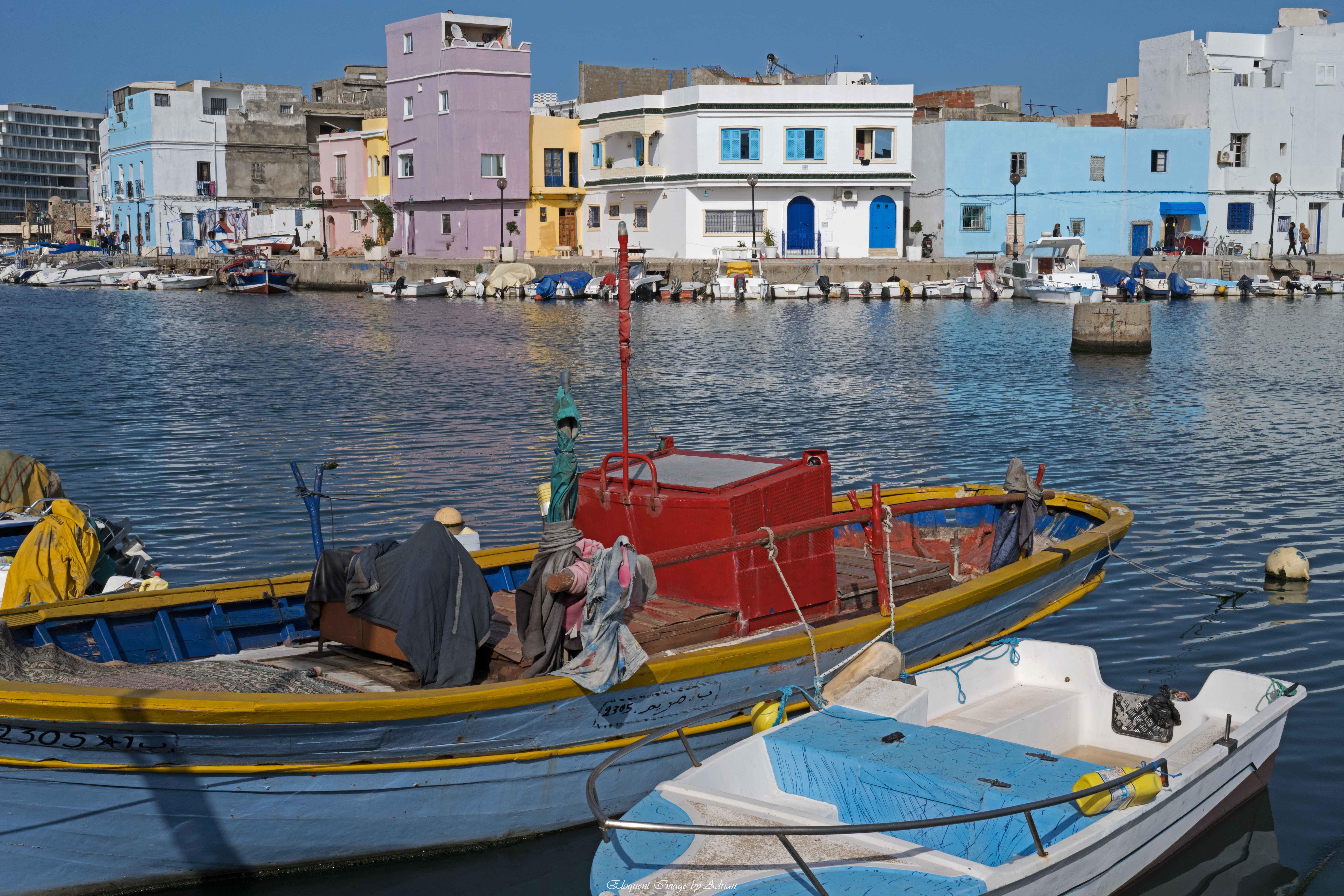
- Bizerte – In the late afternoon, the harbor shimmered in golden light, and I felt a sense of peace. The boats gently swaying on the water made this city feel like an artist’s palette come to life.
- Tamezret – The winding streets of Tamezret led me to the heart of the Sahara. It was a quiet moment of reflection, with the village offering a peaceful entry into the vast desert.
- El Jem – Walking through El Jem’s amphitheater felt like stepping into a time machine. The sheer scale of this ancient arena was humbling, and I felt a deep respect for the gladiators who once fought there.
- Bulla Regia – The semi-subterranean dwellings of Bulla Regia spoke of the resilience of ancient civilizations. Capturing these ruins amidst the olive groves, I was struck by how humans adapted to the harsh climate in such creative ways.
- El Jem Amphitheater – From above, the concentric design of El Jem’s amphitheater was nothing short of mesmerizing. As I looked through the lens, I couldn’t help but marvel at its preservation, a testament to the enduring power of history.
From the historic places to the natural beauty, and heritage associated with it, there is a lot to discover within this country. Tunisia is not just a place to visit; it offers a sensory experience. As a photographer, you will find yourself drawn into the beauty of both the natural landscapes and the history that shaped them.